February 2026 Visa Bulletin: Why “Little Movement” in EB-5 Dates Matters More Than You Think
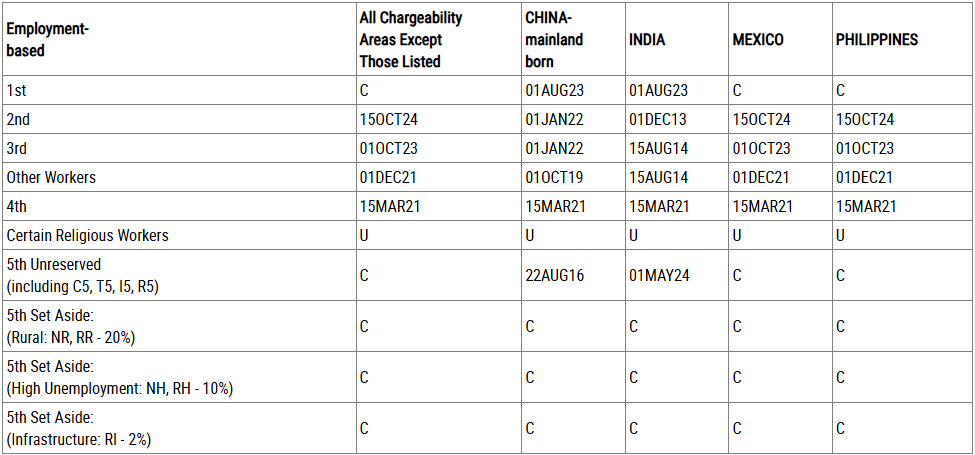
Introduction: Why Minimal Movement Can Signal Maximum Strategy
In immigration discussions, Visa Bulletin updates are often summarized in a single sentence: “No major changes this month.”
But for EB-5 investors in February 2026, little movement in priority dates is not neutral, it is strategic information.
A stagnant Visa Bulletin does not simply reflect administrative pacing. It often signals deeper realities about visa allocation pressure, category demand, and how quickly backlogs may develop later in the fiscal year.
Understanding what “no movement” really means can materially influence when and how investors should file in 2026.
The Structural Context: How the Visa Bulletin Impacts EB-5
The Visa Bulletin determines whether investors can:
Proceed with adjustment of status (if in the U.S.)
Schedule immigrant visa interviews abroad
Move from petition approval to green card processing
When dates remain unchanged, it typically reflects one of three underlying dynamics:
Demand is high but being carefully managed
Visa usage is approaching annual limits
USCIS and the Department of State are pacing allocations conservatively
For investors from high-demand countries such as India and China, stagnant dates often indicate that future retrogression risk remains real.
The Overlooked Dimension: Stability Is Not the Same as Safety
Many investors misinterpret limited movement as a sign that pressure has eased.
In reality, flat priority dates can mean:
The government is reserving visa numbers to prevent sudden oversubscription
Demand in reserved categories (rural, infrastructure, high-unemployment TEAs) is increasing
Future cut-off dates may adjust abruptly once quota limits are approached
In EB-5, stability can precede tightening.
The absence of forward movement today does not eliminate the possibility of retrogression tomorrow.
A Counterintuitive Insight: Slow Movement Favours Early Filers
It may seem logical to delay filing when the Visa Bulletin appears stable.
However, early filers benefit from:
Earlier priority dates before potential retrogression
Greater flexibility in project selection
Reduced competition in reserved visa categories
When dates are not advancing significantly, it often means visa demand remains steady and competitive. Waiting in this environment exposes investors to the risk of entering the system after cut-off dates tighten.
Historically, retrogression rarely happens gradually, it often happens suddenly.
Reserved Categories: The Strategic Buffer
One of the most important developments under the EB-5 Reform and Integrity Act (RIA) is the allocation of reserved visas for:
Rural projects
Infrastructure projects
High-unemployment TEAs
When general category dates show little movement, reserved categories may still offer relative flexibility.
Investors who file early in these categories often secure:
Priority placement within a limited allocation pool
Reduced exposure to country-based backlog pressure
Greater predictability in adjustment timelines
Timing Implications for 2026
February 2026’s minimal Visa Bulletin movement should not be viewed passively.
Instead, it signals:
Continued demand in key markets
Potential tightening later in the fiscal year
The importance of filing before mid-year visa usage accelerates
For high-net-worth families planning education, relocation, or cross-border structuring, early filing creates clarity in an otherwise uncertain timeline.
Strategic Takeaway for Sophisticated Investors
The Visa Bulletin is not merely a calendar, it is a pressure gauge.
For serious EB-5 investors, the critical question is not:
“Did dates move this month?”
But rather:
“What does this level of movement signal about future allocation risk?”
Those who understand how to interpret Visa Bulletin stagnation approach EB-5 differently. They recognize that waiting for obvious warning signs often means filing too late.
In a quota-driven program shaped by global demand, timing remains decisive, even when the Bulletin appears quiet.
This article is for educational purposes only and does not constitute legal or financial advice. EB-5 investors should consult licensed immigration attorneys and qualified financial advisors before making any decisions.